Improving Year-Round Sports Facilities At A College In Oxfordshire
17 Nov 2026 10:11

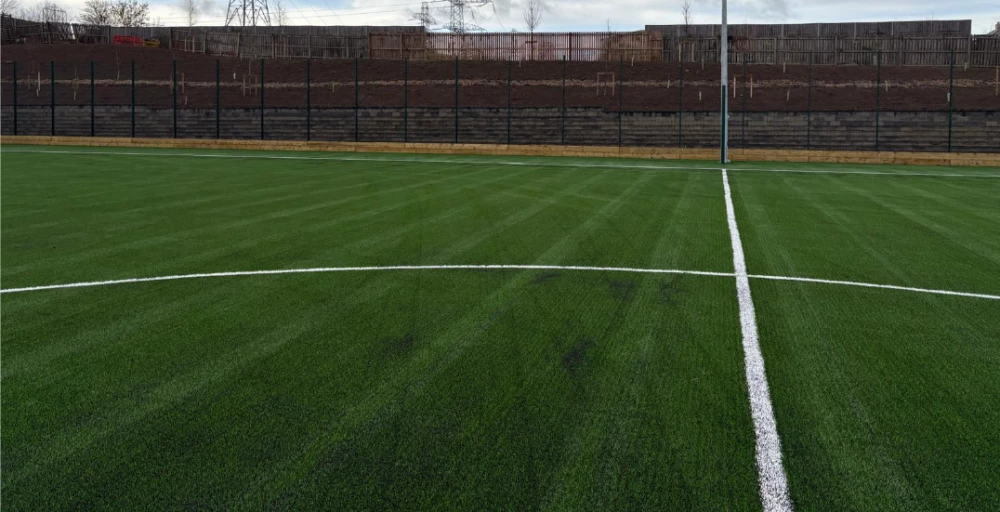
For a grassroots football club in Derby, the condition of its main natural grass pitch had become an ongoing frustration.
The club had spent several seasons dealing with waterlogged goalmouths, uneven playing areas and patches of grass that struggled to recover after regular fixtures. Although volunteers worked hard to maintain the surface, the underlying problems were becoming increasingly difficult to manage.
By the time the club contacted us, postponements were affecting both weekend matches and midweek training.
The committee initially wanted to know whether additional drainage and reseeding would be enough to improve the pitch.
Following our assessment, however, it became clear that the playing surface needed more extensive attention.
The existing levels were inconsistent, the rootzone had become compacted in several areas, and the drainage arrangements were no longer coping adequately with periods of heavy rainfall.
We recommended a full natural grass pitch reconstruction, incorporating new drainage, improved ground preparation, a suitable rootzone and a fresh grass establishment programme.
The biggest concern for the club was not simply the cost of reconstruction. It was how long the pitch would be unavailable.
During our first meeting, the club secretary explained that the facility was used by several teams, ranging from youth football to senior fixtures.
They wanted the reconstruction completed during the quieter summer period, with the hope of returning to the pitch as soon as possible.
We explained that natural grass pitch construction involves two distinct stages: completing the physical construction works and allowing the new turf to establish.
While the main reconstruction could be completed in approximately five to six weeks under suitable conditions, a newly seeded pitch would need a much longer establishment period before it could withstand competitive football.
The club appreciated the distinction.
After discussing the programme, they agreed to arrange alternative training facilities while the reconstructed surface developed.
This gave us the opportunity to prioritise long-term playing quality rather than rushing the pitch back into use.
Our preliminary assessment included reviewing the pitch levels, investigating the existing drainage and examining the condition of the soil profile.
Several sections showed signs of compaction, restricting the movement of water through the upper soil layers.
There were also noticeable depressions in the goalmouths and central playing areas.
We discussed the findings with the committee and explained that simply spreading additional topsoil over the surface would not resolve the underlying drainage and compaction issues.
The agreed reconstruction specification included:
Removal of the existing grass cover and unsuitable surface material.
Regrading to establish consistent playing levels and appropriate surface falls.
Installation of a new land drainage system with suitable outfall arrangements.
Preparation of an appropriate sports pitch rootzone.
Final cultivation, grading and seedbed preparation.
Sowing with a specialist sports turf grass seed mixture.
The final construction depths and drainage layout were determined by the site's ground conditions and agreed design requirements.
Rather than treating the project as a straightforward resurfacing job, we organised the works into several coordinated phases.
Our team began by removing the existing vegetation and preparing the site for reconstruction.
We then carried out the required earthworks, correcting uneven sections and establishing the proposed formation levels.
Laser-guided grading equipment helped us achieve a consistent profile across the playing area.
This stage took approximately eight working days.
Particular attention was given to the goalmouths, where repeated use had contributed to the most significant surface deterioration.
Once the formation was prepared, we progressed with the new drainage system.
Our operatives excavated the specified drainage trenches and installed perforated land drainage pipes within suitable aggregate backfill.
The system was connected to the agreed discharge arrangement, with the layout designed to help remove excess water from the pitch.
We also checked trench levels and gradients throughout the installation.
The drainage works took approximately seven working days.
During this stage, the club's grounds volunteer visited the site and asked whether the new drains would eliminate every future postponement.
We explained that no natural grass pitch can be guaranteed playable in all weather conditions, but a properly designed drainage system, suitable soil profile and ongoing maintenance can significantly improve water management.
The club was pleased that we were setting realistic expectations rather than promising a completely weatherproof surface.
With the drainage installation complete, we began preparing the new playing surface.
The specified rootzone material was placed and worked to achieve the required levels and growing conditions.
We then carried out final cultivation and grading, removing stones and preparing a suitable seedbed.
A specialist hard-wearing sports turf seed mixture was selected for the intended football use.
The seed was distributed at the specified application rate and incorporated into the prepared surface using appropriate equipment.
The rootzone preparation and seeding works took approximately nine working days.
By the end of the sixth week, the main reconstruction works were complete.
However, we made it clear to the club that the pitch was not yet ready for football.
The newly sown grass needed time to germinate, establish a healthy root system and develop sufficient coverage.
We agreed on an establishment and maintenance programme that included irrigation when required, monitored mowing, appropriate nutrition and inspections of the developing turf.
Weather conditions, grass growth and the quality of establishment would determine when the pitch could safely return to use.
In this illustrative project, the club allowed approximately four months for grass establishment and conditioning following seeding, with the final return-to-play decision based on the condition of the turf rather than a fixed calendar date.
The committee also agreed to limit unnecessary access during this period to protect the developing surface.
When we returned for the final review, the difference in the pitch was substantial.
The reconstructed playing area had more consistent levels, improved drainage infrastructure and a new natural grass surface.
The club secretary commented that the pitch looked more like the facility they had originally hoped to provide for their teams.
We discussed the importance of continuing with appropriate maintenance, particularly aeration, overseeding, fertilisation and managing wear in the goalmouths.
We also recommended monitoring drainage performance during the wetter months and avoiding play when conditions could cause significant damage.
The club understood that reconstruction was a major improvement, but that ongoing grounds maintenance would remain essential.
This Derby project involved approximately six weeks of physical reconstruction, followed by a dedicated grass establishment period before the pitch returned to football use.
For our team, the most satisfying aspect was helping the club move beyond repeated short-term repairs and invest in a more suitable playing surface.
By addressing the drainage, levels and rootzone as part of one coordinated project, we were able to provide a stronger foundation for the club's future maintenance programme.
The result was a reconstructed natural grass football pitch designed to support regular training and competitive fixtures, subject to appropriate maintenance and weather conditions.
We work with football clubs, schools, sports organisations and leisure facilities across the UK on natural grass pitch reconstruction, drainage installation, renovation and improvement projects.
Whether your pitch suffers from waterlogging, poor levels, compaction or excessive wear, our team can assess the existing conditions and discuss suitable construction or refurbishment options.
Contact us today to request a quotation and find out how we can help improve your sports pitch facilities.